
Adhika Masa: Why Is It Called Purushottama Masa?

Adhika Masa, also known as Purushottama Masa, is one of the most sacred months in the Hindu calendar. It occurs approximately once every three years and holds a special place in Hindu traditions. During this month, devotees dedicate themselves to prayers, charity, spiritual practices, and devotion to Lord Vishnu.
But why is Adhika Masa considered so special? Why is it called Purushottama Masa? Let us explore its significance and the inspiring story behind it.
What Is Adhika Masa?
The Hindu calendar is based on both the lunar and solar cycles. Since the lunar year is shorter than the solar year by about 11 days, an extra month is added approximately every 32 months to balance the calendars. This additional month is called Adhika Masa.
Unlike other months, Adhika Masa does not have major festivals or auspicious ceremonies such as weddings and housewarming functions. Because of this, it was once considered neglected among the months.
The Story Behind Purushottama Masa
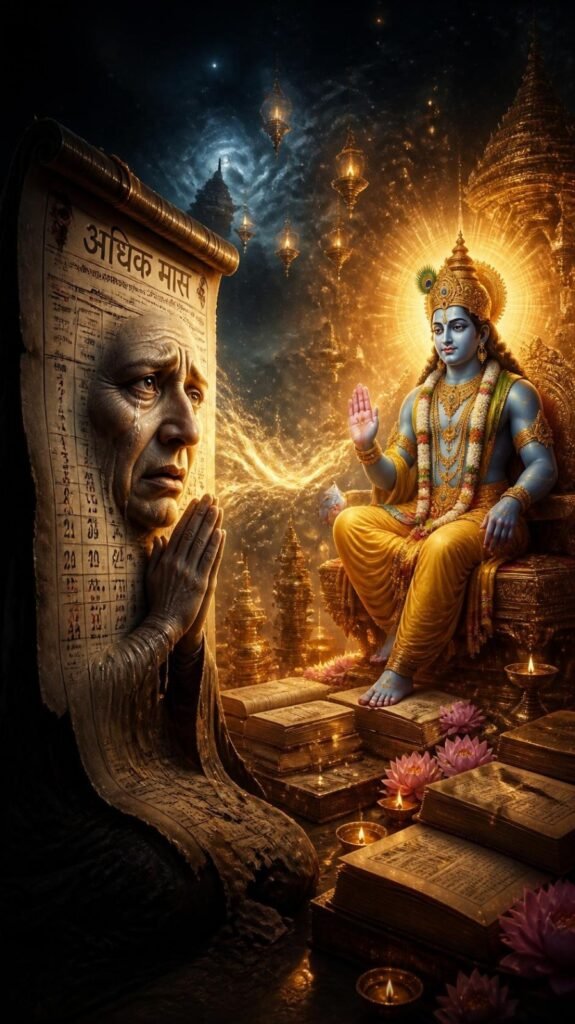
According to Hindu scriptures, Adhika Masa felt sad because people considered it inauspicious and gave it little importance. Feeling rejected, the month approached Lord Vishnu and sought his protection.
Moved by its devotion, Lord Vishnu blessed the month and declared:
“I shall reside in this month, and it shall be known by My name, Purushottama.”
The word “Purushottama” means “The Supreme Being,” one of the sacred names of Lord Vishnu. From that day onward, Adhika Masa became Purushottama Masa, the most beloved month of Lord Vishnu.
Why Is Adhika Masa Important?
Purushottama Masa is considered highly favorable for spiritual growth. Devotees believe that prayers, fasting, charity, and worship performed during this month yield greater spiritual benefits.
Many people use this sacred month to:
- Chant the names of Lord Vishnu
- Read the Bhagavad Gita
- Recite Vishnu Sahasranama
- Perform charity and donations
- Observe fasting and devotional practices
- Visit temples and participate in bhajans
What Should We Do During Adhika Masa?
The scriptures encourage devotees to focus on self-improvement and devotion during this month.
Some recommended activities include:
1. Worship Lord Vishnu
Offer prayers, flowers, and Tulsi leaves to Lord Vishnu daily.
2. Read Sacred Scriptures
Reading the Bhagavad Gita, Srimad Bhagavatam, or Vishnu Purana is considered highly auspicious.
3. Practice Charity
Helping the needy through food donations, clothing donations, and acts of kindness is encouraged.
4. Chant God’s Name
Simple chanting such as “Om Namo Bhagavate Vasudevaya” can bring peace and spiritual strength.
Why Are Weddings Not Conducted During Adhika Masa?
Traditionally, Adhika Masa is reserved for spiritual pursuits rather than worldly celebrations. Therefore, many families avoid conducting weddings, housewarming ceremonies, and other major auspicious events during this month.
However, this does not mean the month is inauspicious. In fact, it is regarded as one of the most spiritually powerful periods in the Hindu calendar.
Lessons from Adhika Masa
The story of Purushottama Masa teaches us an important lesson. Even something that is ignored or undervalued can become great through devotion and divine grace.
Adhika Masa reminds us that true worth comes not from worldly recognition but from sincerity, humility, and dedication to God.
Conclusion
Adhika Masa, or Purushottama Masa, is a sacred gift in the Hindu calendar. Blessed by Lord Vishnu himself, this month provides an opportunity for reflection, devotion, and spiritual growth. By engaging in prayer, charity, and self-improvement, devotees can make the most of this holy period and strengthen their connection with the Divine.
May Lord Vishnu bless everyone with peace, wisdom, and prosperity during this auspicious Purushottama Masa.
The story of Purushottama Masa teaches us an important lesson. Even something that is ignored or undervalued can become great through devotion and divine grace.
Adhika Masa reminds us that true worth comes not from worldly recognition but from sincerity, humility, and dedication to God.